Small Cities Lab
More than half of America's urban population lives in small cities, yet research, policy, and planning tools have historically been built for large metro areas, leaving small cities to adopt strategies not designed for them. This gap matters most now, as climate pressures, migration shifts, inequality, and aging infrastructure are felt most acutely in smaller places, often with less capacity to adapt. The Small Cities Lab develops civic capacity for navigating change in small cities, focusing on four areas: Housing, Economy, Environment, and Culture. We partner directly with city staff, nonprofit leaders, and residents to co-create research and build effective design and policy responses.
Our booklet series draws on insights from partners across the non-profit, government, industry, and academic sectors to offer an actionable vision for the future of small cities.
This series shares insights, open questions, and featured contributions from the 2025 Co-Lab convening, which brought together 70 cross-sector participants to explore what small cities are, their diversity, and the shared challenges and opportunities they face. It includes five booklets: an introduction plus four thematic volumes on Housing, Waterfronts, Social and Cultural Resources, and Meds and Eds.
What is a small city anyway?
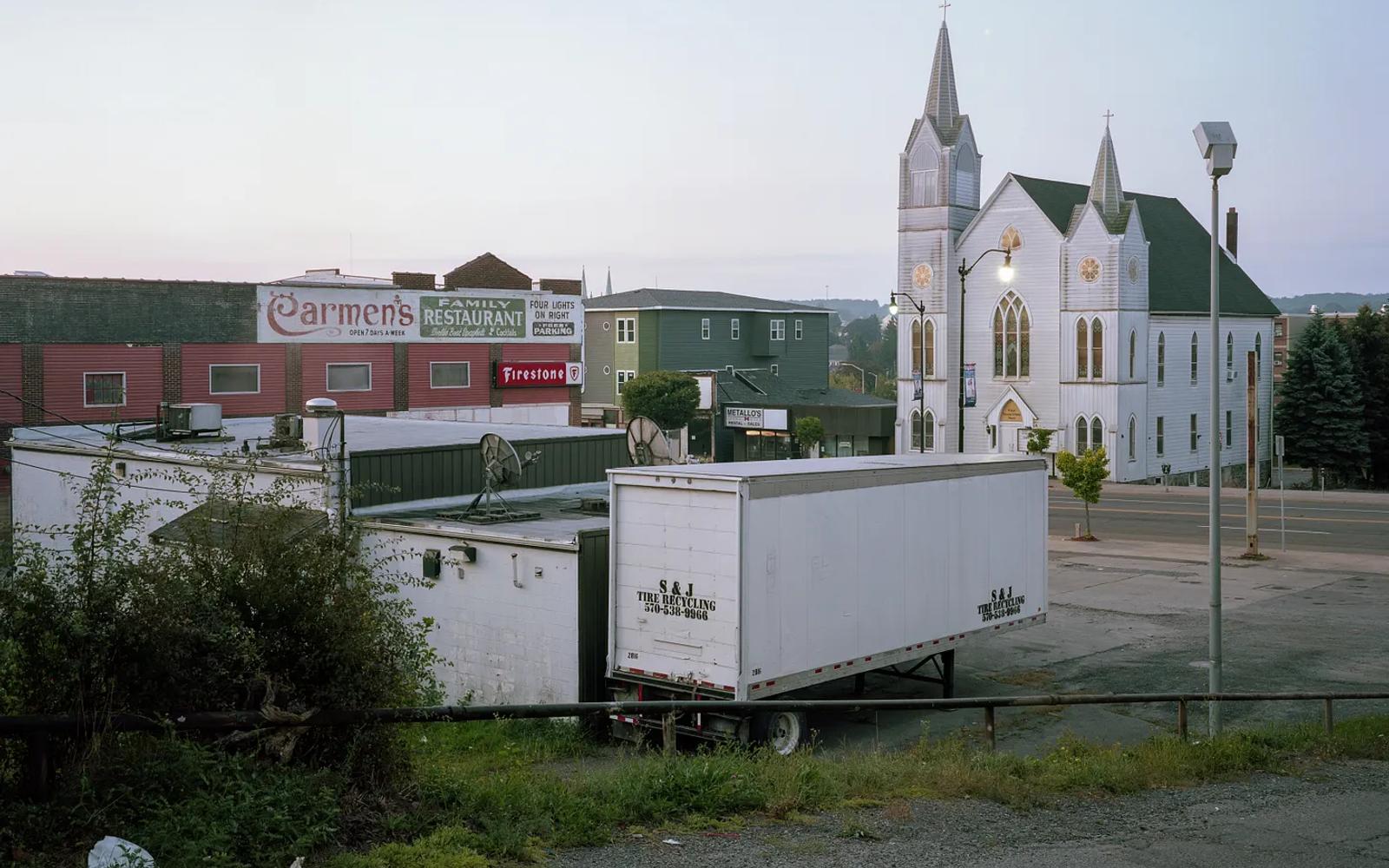
We are often asked: “What is a small city, anyway?” While it’s tempting to start with a population range (100,000? 250,000?), we know that those numbers fail to capture the huge variety of smaller places where the majority of Americans live. These classifications also fail to reflect how these places actually operate. When that happens, the similarities and differences among small cities, their common challenges, pressures, and possibilities, get overlooked. That lack of recognition often translates into less support, less visibility, and fewer tools to tackle big issues.











Featured Project
Alley House Program
Reviving a local housing tradition to help build economic and social resilience in our community. This program offers a scalable solution to address land scarcity and increase housing stock through place-based research and community engagement.
Featured Story
“Suddenly Young Again:” Who is Shaping Hazleton’s Future?
Hazleton’s demographic change is making the city "feel like there is a future." One community organization is expanding opportunities to shape it.