
Disability Health, Social Life, and Wellbeing
Designing Inclusive Cities
Rethinking the Social Connections and Wellbeing of Bethlehem’s Disabled Communities
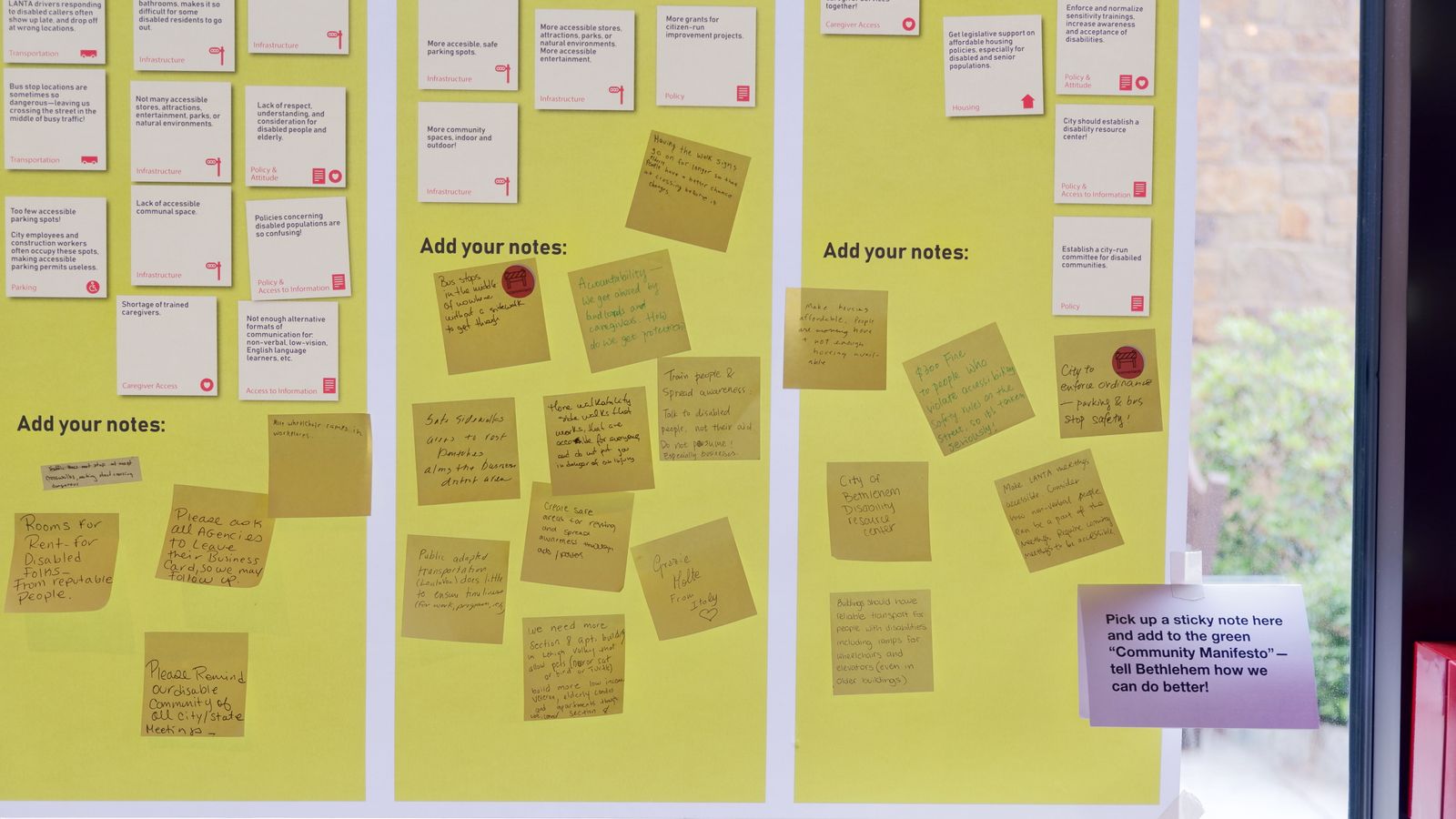
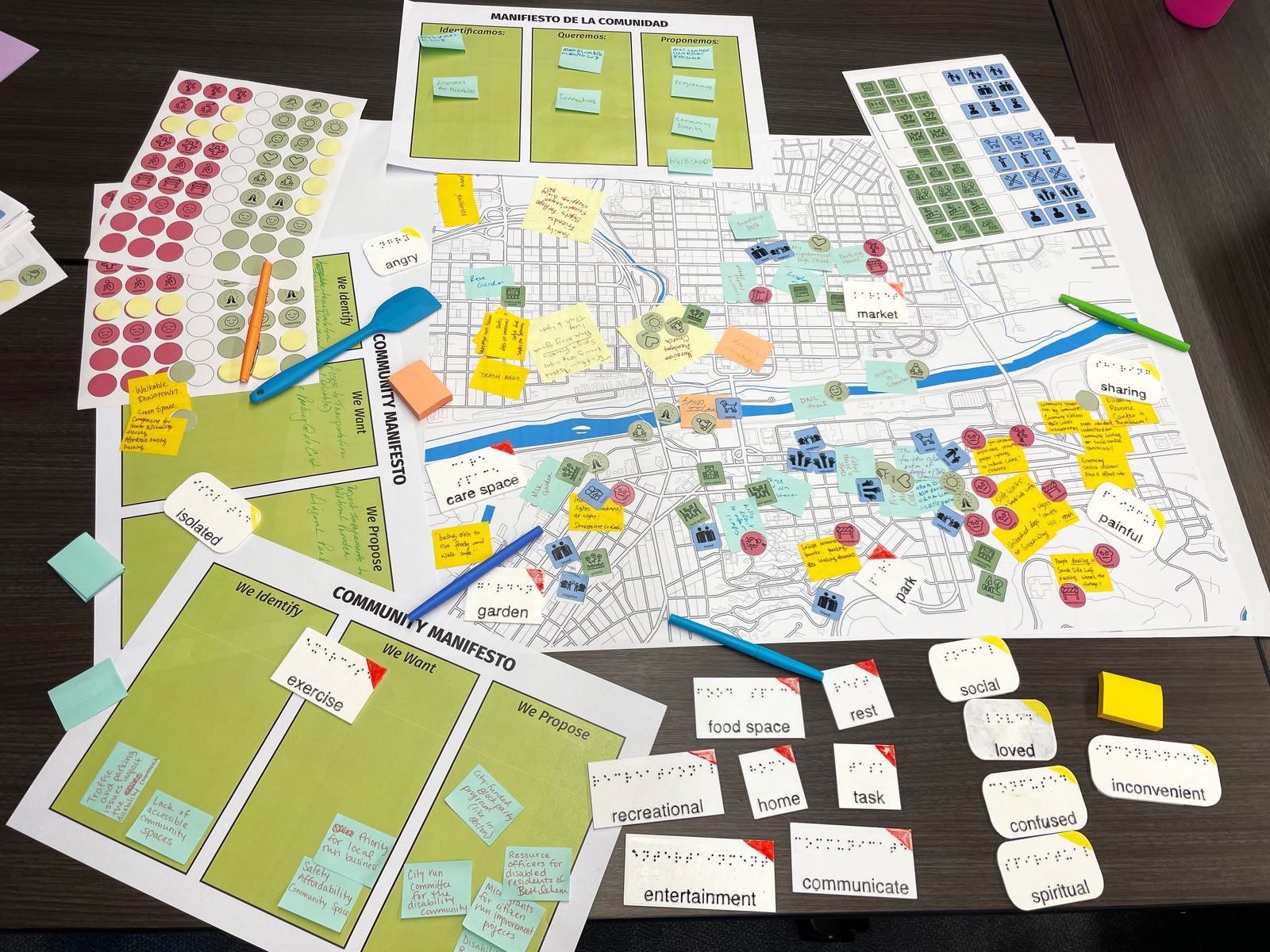
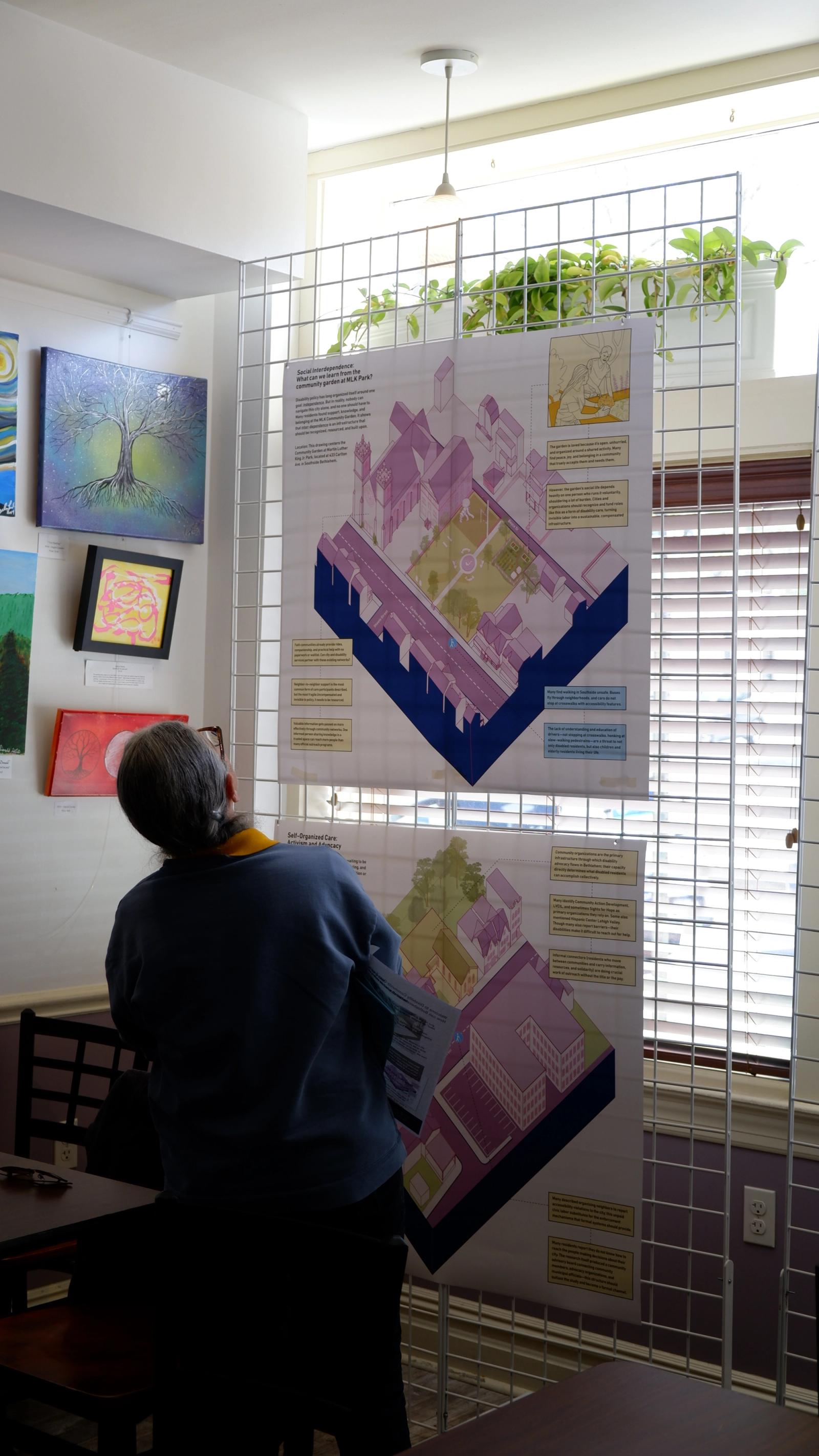
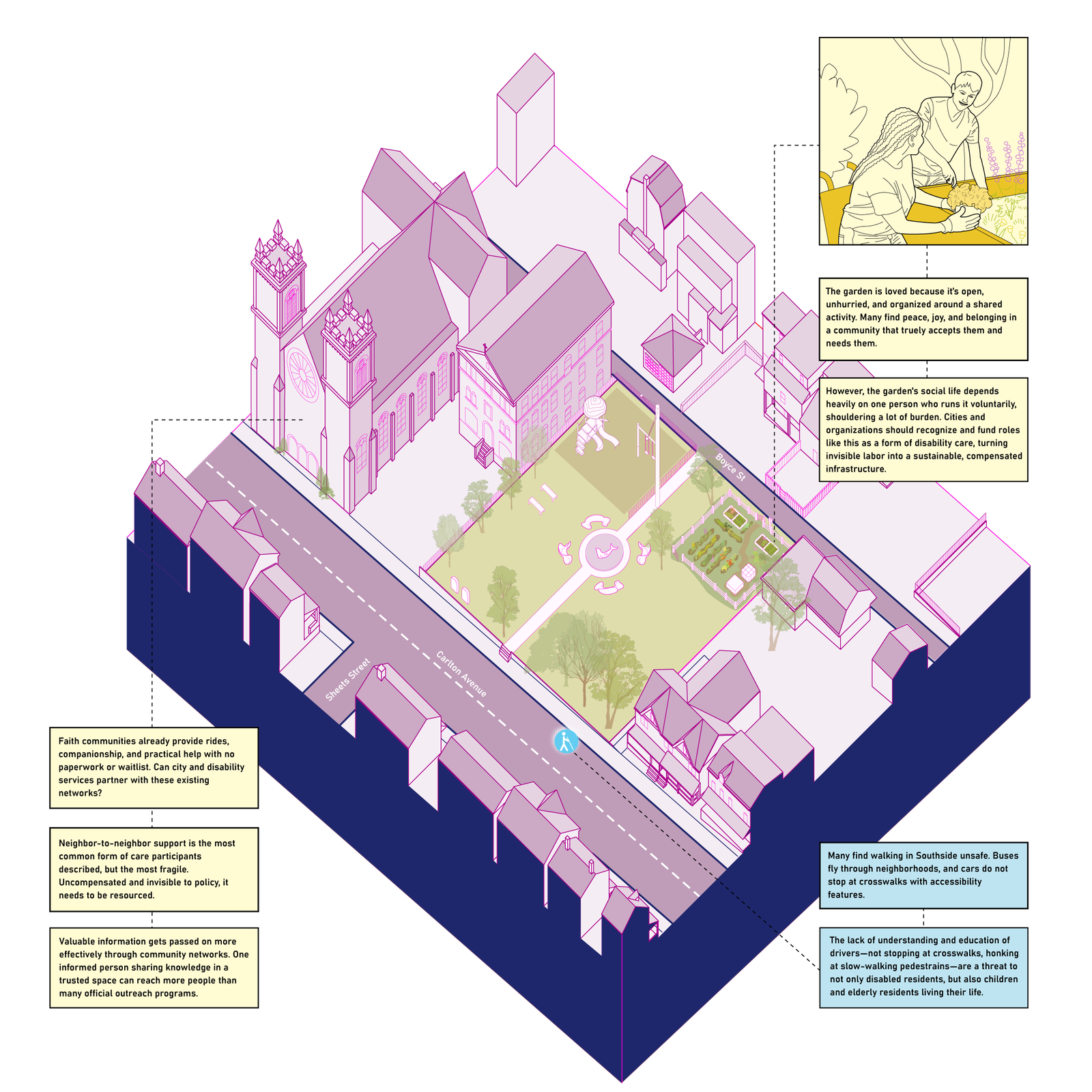
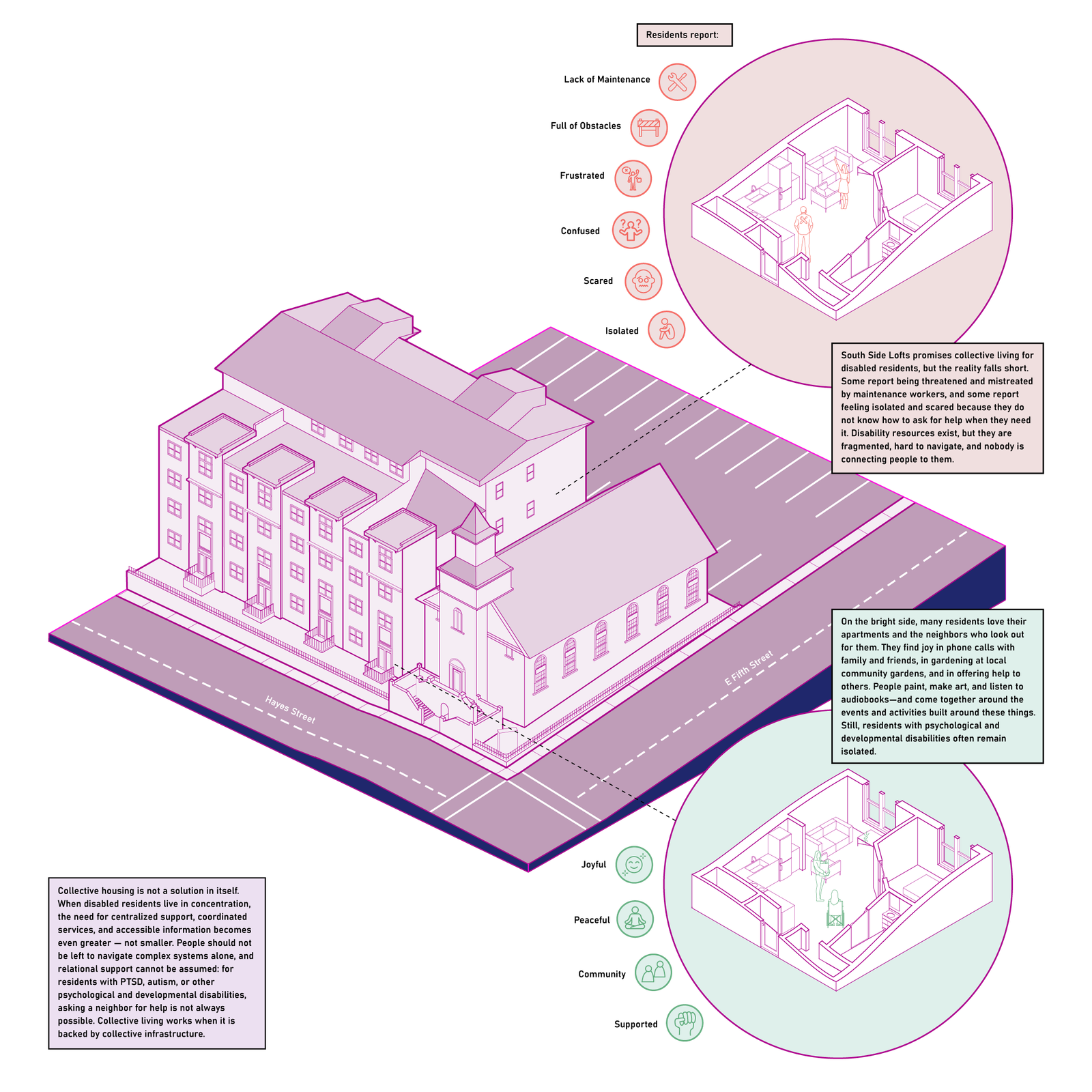
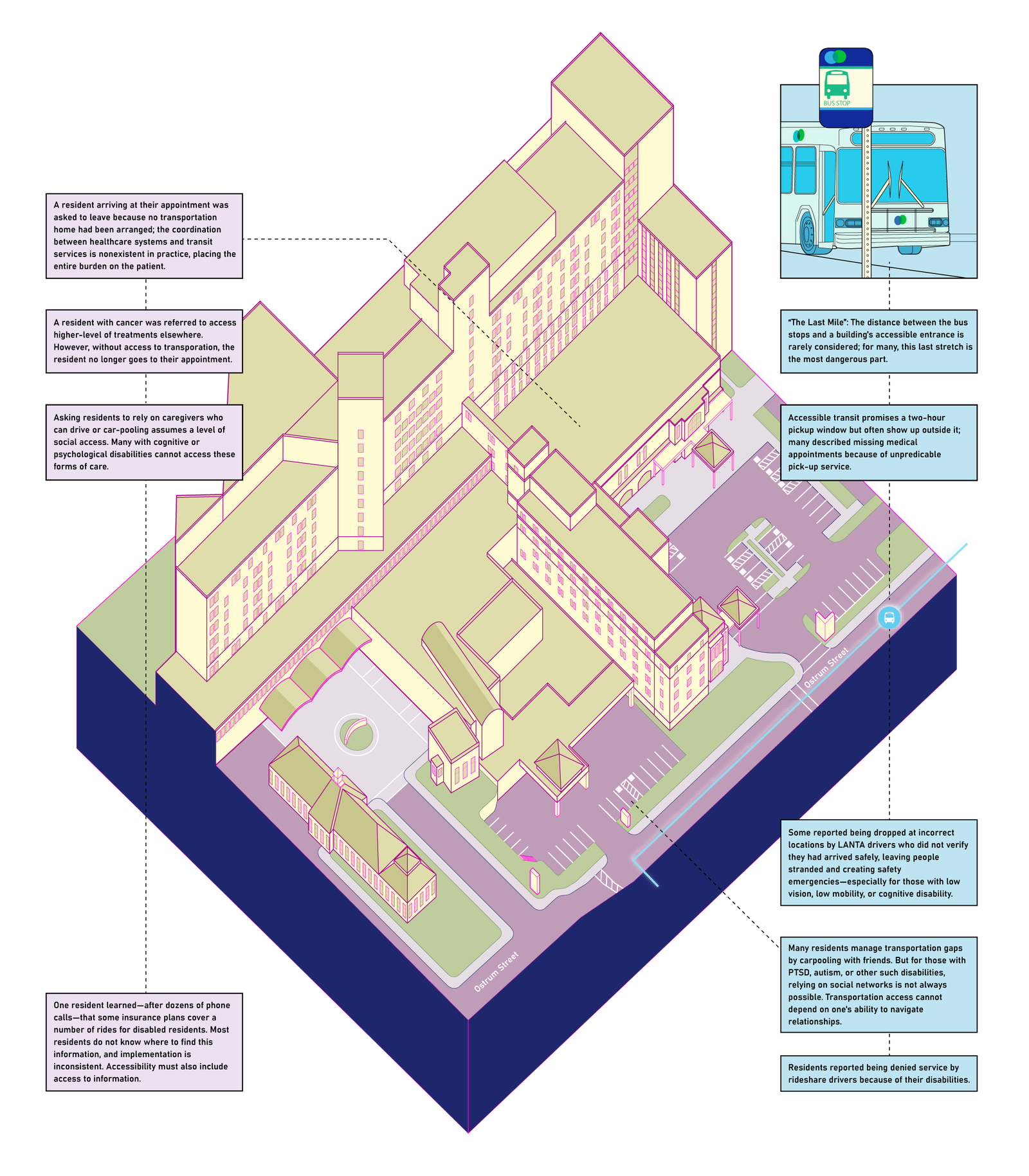
Designing Inclusive Cities is a community-engaged research project examining how the built environment shapes the social connections, care networks, and overall wellbeing of disabled residents in Bethlehem. The project focuses particularly on the experiences of people with intellectual, developmental, cognitive, and psychiatric disabilities, whose needs often extend beyond the forms of accessibility typically addressed through planning and design.
Working directly with disabled residents, caregivers, advocates, and community organizations, the research asks a simple but often overlooked question: What does it take not just to access a city, but to belong in one?
The project combines community mapping workshops, ethnographic interviews, and social network analysis to better understand how disabled residents experience Bethlehem.
In community mapping workshops, participants identify the places that support their daily lives, as well as the sidewalks, transportation systems, buildings, services, and other barriers that make it difficult to participate fully in the city. Individual interviews provide a deeper understanding of participants' relationships and networks of care, revealing how friends, family members, partners, neighbors, and other community members help people navigate gaps in services and access. These methods allow the research team to examine the relationship between people and place: where relationships develop, how people move through the city, which spaces create opportunities for connection, and where barriers contribute to isolation.

What We Are Learning
The research has found that accessibility cannot be understood as a purely physical condition. Participants have described how unreliable transportation, inaccessible pedestrian infrastructure, limited information, inadequate services, and a lack of disability awareness can all contribute to isolation.
At the same time, the project has identified the informal networks of care that disabled residents build to support one another. The research team describes these networks as Distributed Care Hubs: the relationships among friends, family, partners, neighbors, and others who share the everyday work of care and support. These networks demonstrate both the importance of social connection and the strain placed on communities when formal systems fail to meet people's needs.
The project is using these findings to identify opportunities for change in Bethlehem from improving the routes that connect people to accessible destinations to supporting spaces where relationships, mutual aid, and community can develop. The goal is not simply to make individual buildings or public spaces accessible, but to help build a more connected and interdependent city.
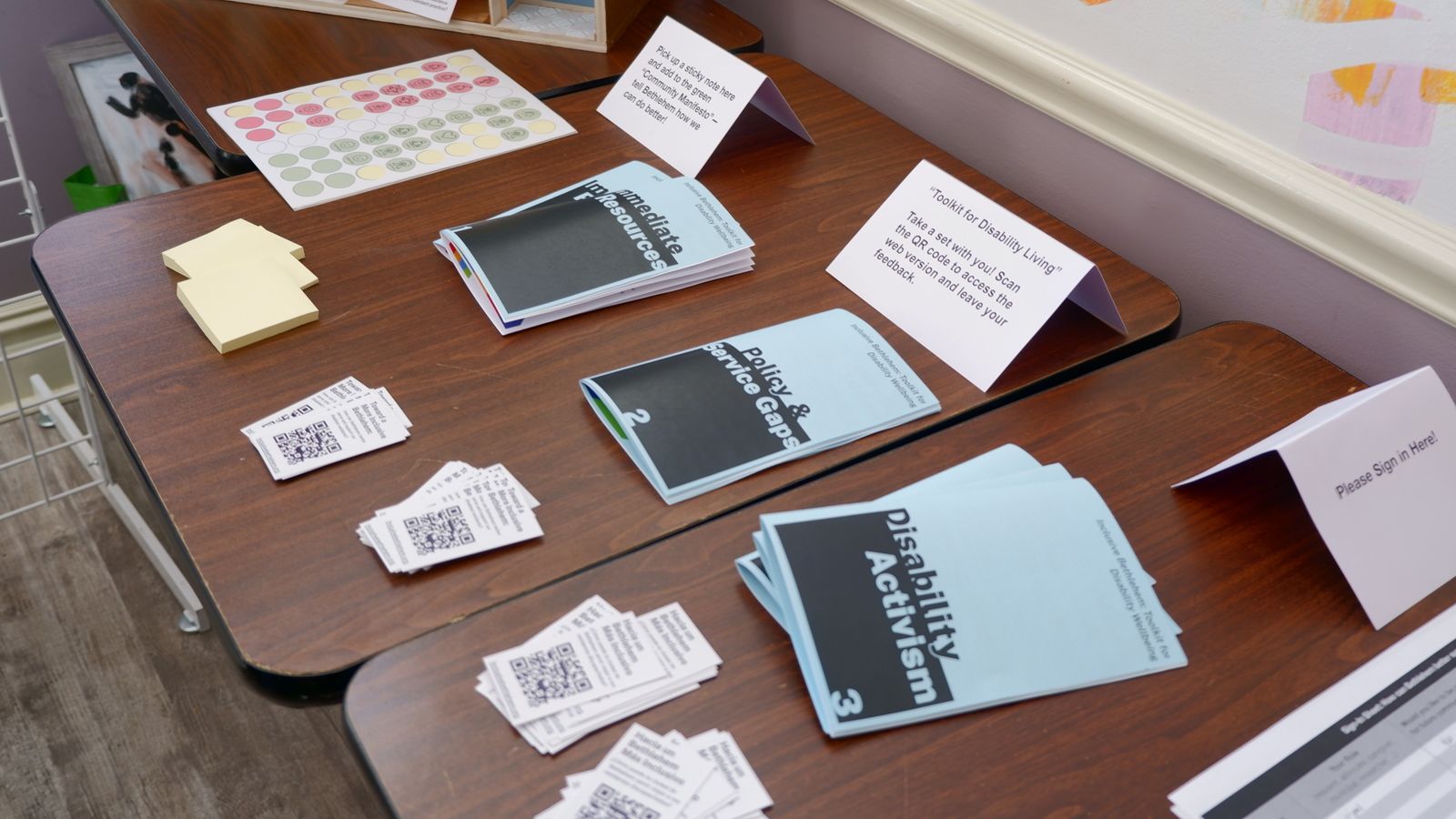
The first phase of Designing Inclusive Cities has produced a series of public-facing findings, community conversations, and a growing Toolkit for Disability Wellbeing that connects residents, advocates, and policymakers with resources, information, and opportunities for action.
Looking ahead, the project is continuing to work with its Community Advisory Board to identify priorities, address barriers identified by residents, and co-design interventions that improve social connection and wellbeing. The larger goal is to develop new ways for small cities to understand accessibility—not as a checklist, but as an ongoing process of building the relationships, spaces, services, and systems that allow people to participate fully in community life.